definethis's pick · Updated August 2026
Amazon Basics Air Circulator Fan
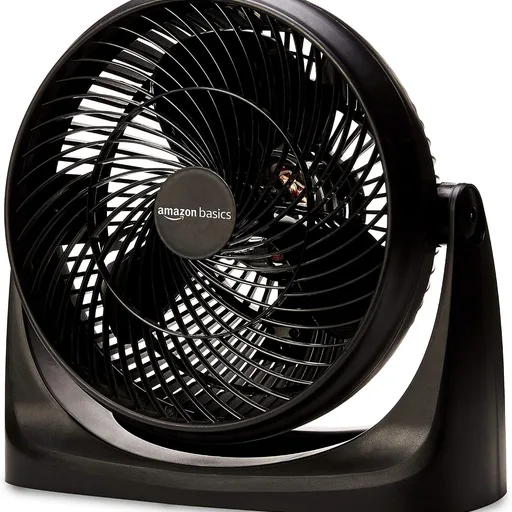
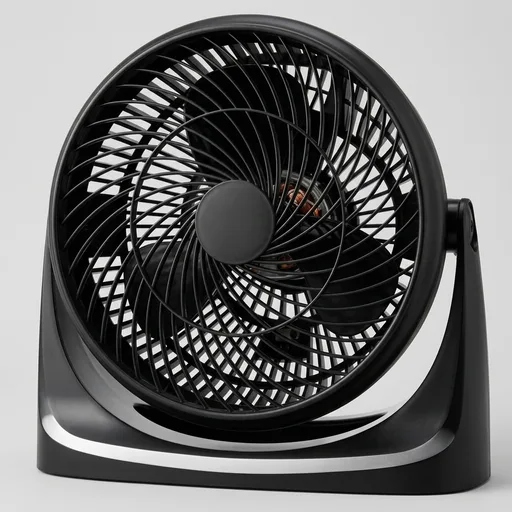
A compact desk fan like this may suit someone who wants direct airflow in a bedroom, office, or shared work area without giving up much surface space. The main appeal here is simple: a small fan with a tilt head, a few speed settings, and a lightweight body is easier to place, move, and aim than a larger floor unit, especially when the goal is personal cooling rather than whole-room circulation.
The 90-degree tilt head is the feature to pay attention to first. On a desk, nightstand, or shelf, that kind of angle adjustment can matter more than raw size because it lets the airflow point where it is actually needed. The three speed settings also make sense for a fan in this class. Lower settings can be a better fit when you want gentle air movement, while a higher setting may be more useful when the room feels stuffy and you want a stronger push of air.
There is also a practical size question to consider. At 14.8 inches wide, this is not a tiny clip-on fan, but it is still small enough to fit into the category of space-conscious personal cooling. The listed weight of 4.2 pounds suggests it should be easy to move from one room to another without much effort. That said, buyers should still check whether the footprint works on the surface they plan to use, especially if the fan will sit beside a monitor, lamp, or other desk items.
The 70-watt rating is another point worth weighing. That suggests more power than the very smallest desk fans, but it can also be a reminder to compare noise expectations, energy use, and airflow needs against the space where it will run. A stronger motor can be useful, but the right choice still depends on whether you want quiet background circulation or a more noticeable breeze. Since no usage notes were provided, noise level, stability, and the feel of the airflow are the main things to verify in the listing details and buyer feedback.
Who this is for becomes fairly clear once you sort out those tradeoffs. It may fit someone who wants a straightforward fan for a bedroom nightstand, a home office corner, or a dorm-style setup where every inch matters. It may also appeal to shoppers who prefer a basic plug-in fan over a unit with extra controls they will not use. If the goal is a simple fan that can be aimed and moved without fuss, this is the kind of product to compare.
The limitation to keep in mind is not a defect so much as a buying check. A desk fan can be a good solution for personal comfort, but it may not be enough if you need strong circulation across a larger room. Before buying, it is worth confirming the actual noise profile, whether the base feels steady on the intended surface, and whether the cord length works for the outlet location. Those are the details that decide whether a fan like this feels convenient or awkward in daily use.
The evidence here is limited to the listed features, so the safest recommendation is a conditional one. On paper, this looks like a sensible choice for small-space cooling, directional airflow, and easy placement. If that is the need, and the size, power, and controls line up with the room, it may be a better fit than a larger fan that takes more room than it gives back.
Amazon product links on this guide are not currently affiliate links. Neither definethis nor Buyer Field Guide earns an affiliate commission from them.
See current price